About Us
Jerusalem Stone
Jerusalem Stone is the trade name of stone quarried in areas from the Jordan River on the east of the Holy Land to the Mediterranean Sea on the country’s west, and from the southern Port of Eilat on the Red Sea to The Galilee and Haifa on the north. It is mostly limestone, dolomitic limestone or dolomite, and tends to be of a gold or reddish hue, though some varieties are grey or nearly white.
Municipal regulations in Jerusalem require that the front of every building be at least partially made of this stone. The regulations date back to the governorship of Ronald Storrs; they were issued as part of the implementation of a master plan for the city devised in 1918 by William McLean, then city engineer of Alexandria.
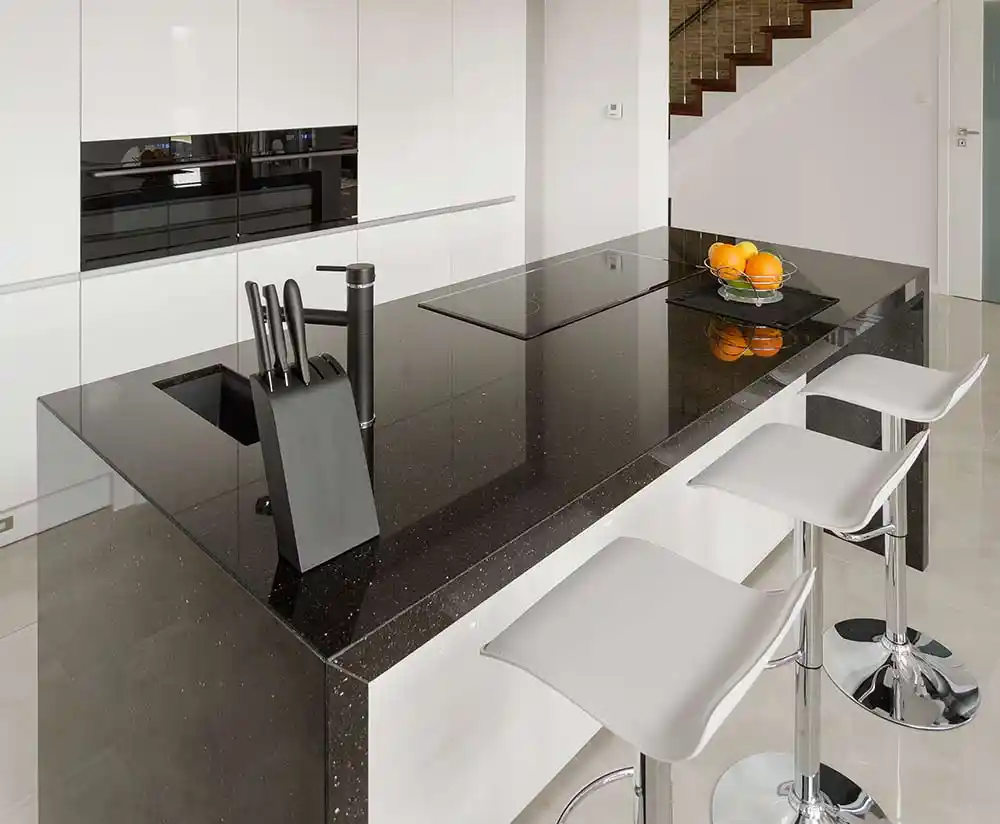
It is also used in the American building trade as a countertop material, as certain subtypes are non-porous (unlike most limestone).
Riverside Stone LTD
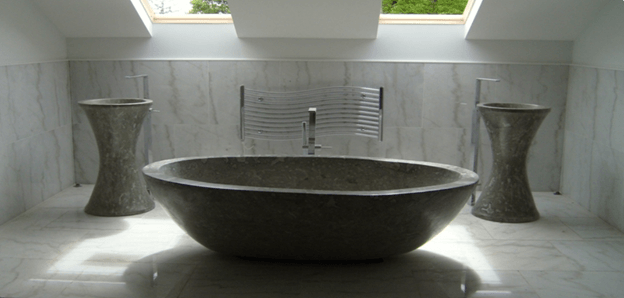
Although the company was founded in 2005 in the UK, we have over 50 years of experience in manufacturing stone products for all kinds of purposes . We have continued to mine and import natural Jerusalem stone of the highest quality from our own and surrounding quarries from the areas surrounding Jerusalem such as Hebron , Bethlehem and other towns and villages . After mining out the stone, some are handcrafted while others are machine crafted into high quality tiles and stones, perfect for kitchens, bathrooms, living rooms, entrance halls or other surfaces. Our tiles and stones are also available as full mosaics, perfect to give off the all natural stone look for any kitchen or bathroom wall.
We also manufacture stone for use in exterior environments such as cladding, cobbles and stone block paving.Jerusalem Stone and Mosaics specialise in the importation and distribution of superior natural stone products from the surrounding hills of Jerusalem. We carry a large range of interior and exterior items for both domestic and commercial use.
Jerusalem Stone comes in a variety of colours, textures and finishes and will enhance any decor at work or home, interior or exterior.

Jerusalem limestone has the following technical properties
01
Volumetric Weight
2639 Kg/m3
02
Compression Strength
28.7 N/nm2
03
Abrasion Resistance
18.2 mm 1000 mt
04
Absorption
0.8% by weight
05
Coeff thermal expansion
0.000423 mm/m
Stone Glossary
POLISHED FINISH
HONED FINISH
TUMBLED FINISH
FLAMED FINISH
ACID-WASHED
BULL-NOSE Edge
SPLIT FACE
CALIBRATED STONE
Igneous Rock Formed when molten rock (called lava or magma) cools and hardens. Granite is an example of an igneous rock.
Limestone Another sedimentary stone, it’s formed from calcite and sediment and comes in many earthen colours. Jerusalem stone is the hardest of al the lime stone
Marble A derivative of limestone. It is a metamorphic stone that can be polished. Marble is characteristically soft and easily scratched or etched by acids. There are countless types of marble from around the world.
Metamorphic Rock Created when other kinds of rocks are changed by great heat and pressure inside the earth. Marble, slate and quartzite are examples of metamorphic rocks.
Porosity The amount and size of the pores in a stone. Travertine is very porous and granite is not.
Quarry For millions of years, a combination of heat and pressure created blocks of natural stone, including granite, marble, travertine, limestone, and slate. As the earth’s crust began to grow and erode, it pushed minerals up from its core, forming massive rock deposits, which we refer to as “quarries”.
Sandstone A sedimentary stone that is primarily composed of loose grains of quartz sand that is rough in texture. A number of varieties are available.
Sedimentary Rock Formed from deposits that have undergone consolidation and crystallization. Limestone and sandstone fall into this category.
Slab Blocks of stone that have been extracted from the earth and cut.
Slate A metamorphic stone that has a sheet-like structure. It is composed of clay, quartz and shale, and comes in a multitude of colours including reds and greens.
Stone Tile The typical natural stone floor tile sizes are 300×300 400×400 600×400 and 600x400mm and other sizes”.
Straight 90-Degree Edge One of two types of edges for natural stone floor tile. A polished straight 90- degree edge creates a more modern and clean look.
Substrate The surface on which the stone tile is laid.
Thinnest a cement based adhesive that is applied to the surface with a notched or grooved trowel. The tile is then placed into the thinnest and pressed firmly into place. Since stone tiles vary in thickness and size, the amount of thinnest mortar applied is adjusted where needed.